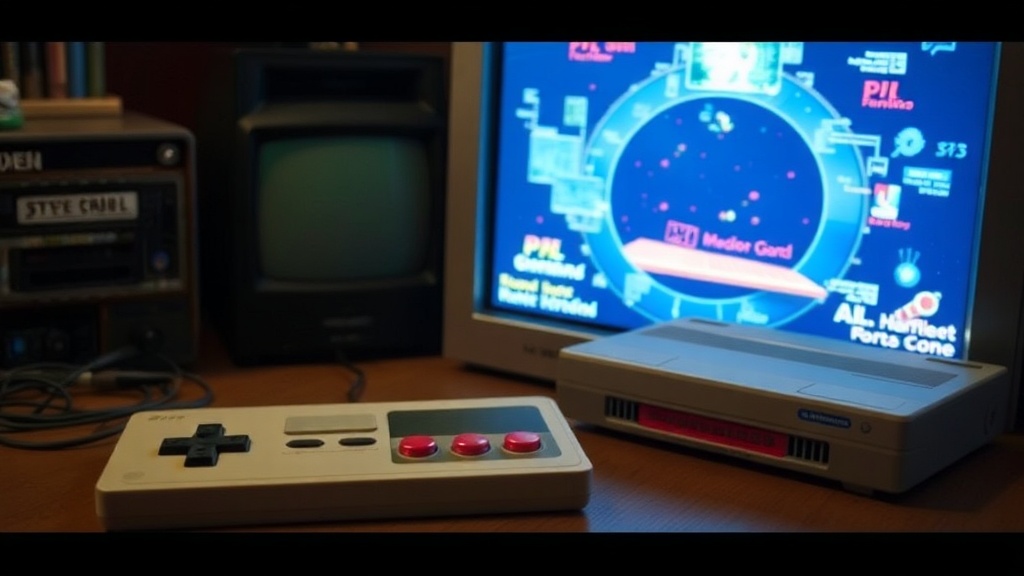
Beyond the Pixel: Safeguarding Your Vintage Console Legacy

Imagine unearthing an old console—perhaps a dusty Nintendo Entertainment System from a grandparent's attic, or a Sega Genesis found during a garage sale treasure hunt. For many, these machines are more than just electronics; they’re portals to a bygone era of entertainment, a tangible link to childhood memories, and significant pieces of technological history. This isn't just about playing classic games; it's about understanding and preserving the artifacts that shaped an entire industry. This discussion explores the motivations behind collecting vintage video game consoles, the practical steps involved in starting your own collection, and—most importantly—how to keep these fragile pieces of history alive and kicking for years to come.
Why Do These Old Consoles Matter So Much?
The allure of vintage consoles extends far beyond mere nostalgia. Certainly, there’s an undeniable charm in revisiting the blocky graphics and simple mechanics that defined early gaming. For many, it’s a direct connection to formative years—the joy of discovering Mario, the challenge of mastering the Konami Code, or the thrill of a perfect 'Fatal Blow.' This personal attachment fuels a significant portion of the collecting community, where individuals seek out the very systems they grew up with, or perhaps those they always wished they owned.
Beyond personal sentiment, these machines hold immense cultural and historical weight. They represent pivotal moments in technological evolution, demonstrating the ingenious solutions engineers devised with limited processing power and memory. Each console tells a story of innovation, competition, and shifting consumer tastes. The Atari 2600, for example, wasn’t just a toy; it democratized video gaming, bringing interactive entertainment into millions of homes. The Nintendo Entertainment System revived an industry thought to be dead. These consoles are tangible records of a rapidly developing medium that transformed from niche hobby to global phenomenon. As such, preserving them is akin to preserving early films, classic literature, or historical architecture—they’re cultural touchstones that inform our understanding of where we’ve been and how we got here.
Beyond that, there's an artistic appreciation for the original experience. Playing a game like Chrono Trigger on a Super Nintendo, connected to a CRT television, delivers an experience fundamentally different from emulation on a modern display. The visual artifacts, the sound chip limitations, the tactile feel of the original controller—these elements are integral to the game’s design and the creators’ original intent. Collecting original hardware allows enthusiasts to experience these works as they were meant to be enjoyed, ensuring the authenticity of an important art form for future generations.
What are the Practicalities of Starting a Collection?
Embarking on a vintage console collecting adventure can be both rewarding and, at times, daunting. The first step involves knowing where to look. While online marketplaces like eBay remain popular, local avenues often yield surprising finds. Think about exploring local flea markets, charity shops, and specialized retro game stores. Sometimes, the best treasures are found through word-of-mouth or community groups dedicated to retro gaming in your area. These local spots can offer better prices and the advantage of inspecting items firsthand before purchase.
When you encounter a potential acquisition, thorough assessment is key. Don't just grab the first console you see. Examine its physical condition: Are there deep scratches, cracks, or missing parts? Check for corrosion in battery compartments (if applicable) or rust on metal components. If possible, always try to power on the console before buying. Bring a portable screen or ask the seller if they can demonstrate functionality. Test controller ports, power inputs, and video outputs. Common failure points vary by system—for example, the disc drives on early CD-based consoles like the Sega CD or PlayStation can be notoriously finicky, while older cartridge-based systems might have issues with dirty pin connectors or failing power supplies. Understanding these nuances helps you make informed decisions.
It's also prudent to approach the financial aspect with a collector's mindset rather than a speculator's. While some games and systems have seen dramatic price increases, chasing inflated values can diminish the joy of the hobby. Focus on collecting what you genuinely want to play or preserve. Consult resources like