Exploring the Rich History of Film and Television: A Deep Dive into the Industry's Evolution

Film and television have played an instrumental role in shaping culture, history, and society. From the early days of cinema to the streaming platforms that dominate our screens today, the evolution of the medium offers a fascinating glimpse into changing societal values, technological advancements, and artistic innovation.
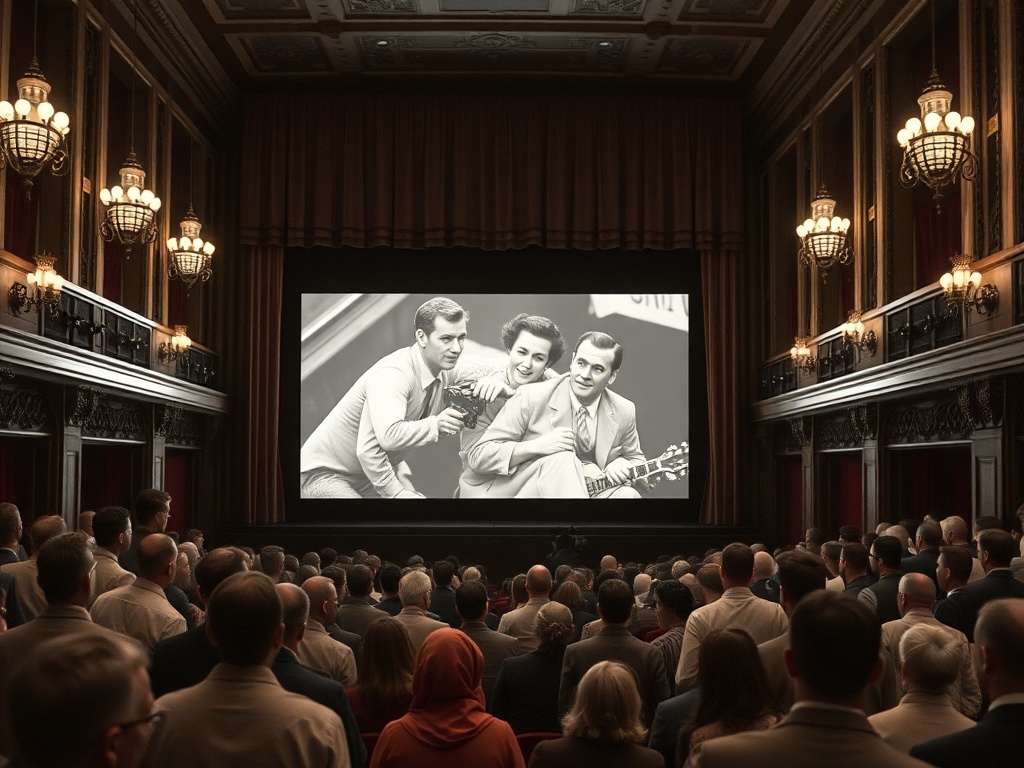
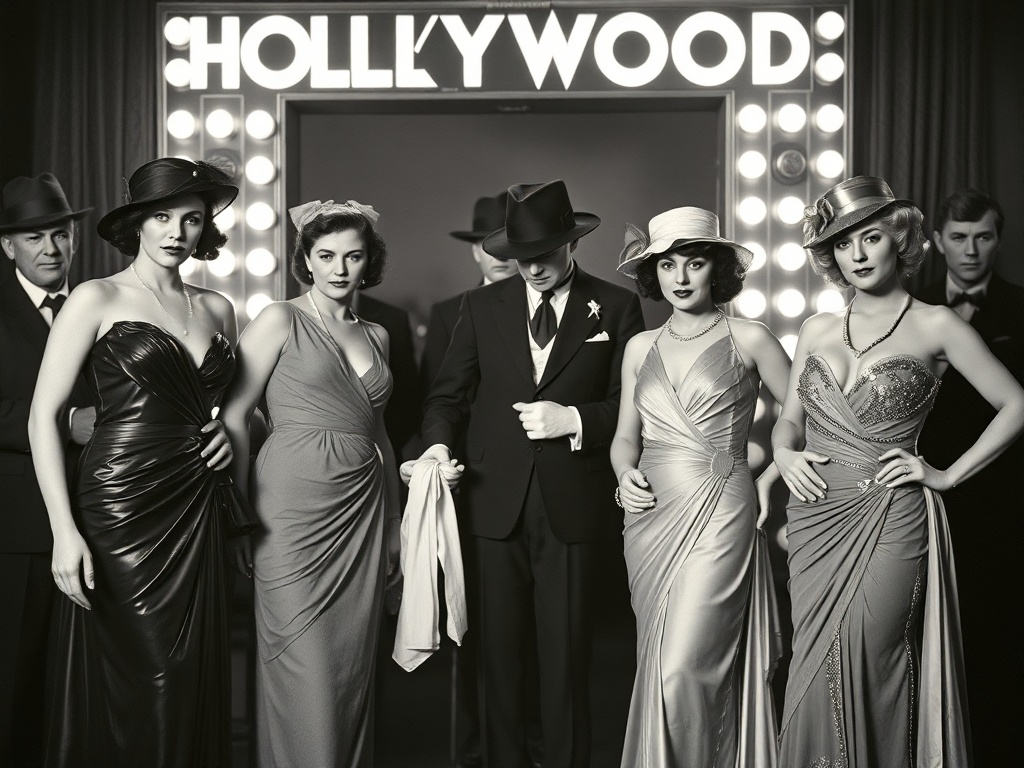
The beginnings of film trace back to the late 19th century, with pioneers like Thomas Edison and the Lumière brothers laying the groundwork for a new era of entertainment. The 1920s, often referred to as the Golden Age of Hollywood, saw the birth of iconic film studios like Paramount, Warner Bros., and Universal Pictures. These studios brought us the first blockbuster films, setting the stage for the commercialized film industry we know today.
Throughout the 20th century, film technology advanced dramatically. The introduction of sound in the late 1920s revolutionized the film industry, followed by the advent of color films in the 1930s. These innovations allowed filmmakers to explore new ways to tell stories, resulting in a diverse range of films that covered a variety of genres from horror and drama to musical and adventure.
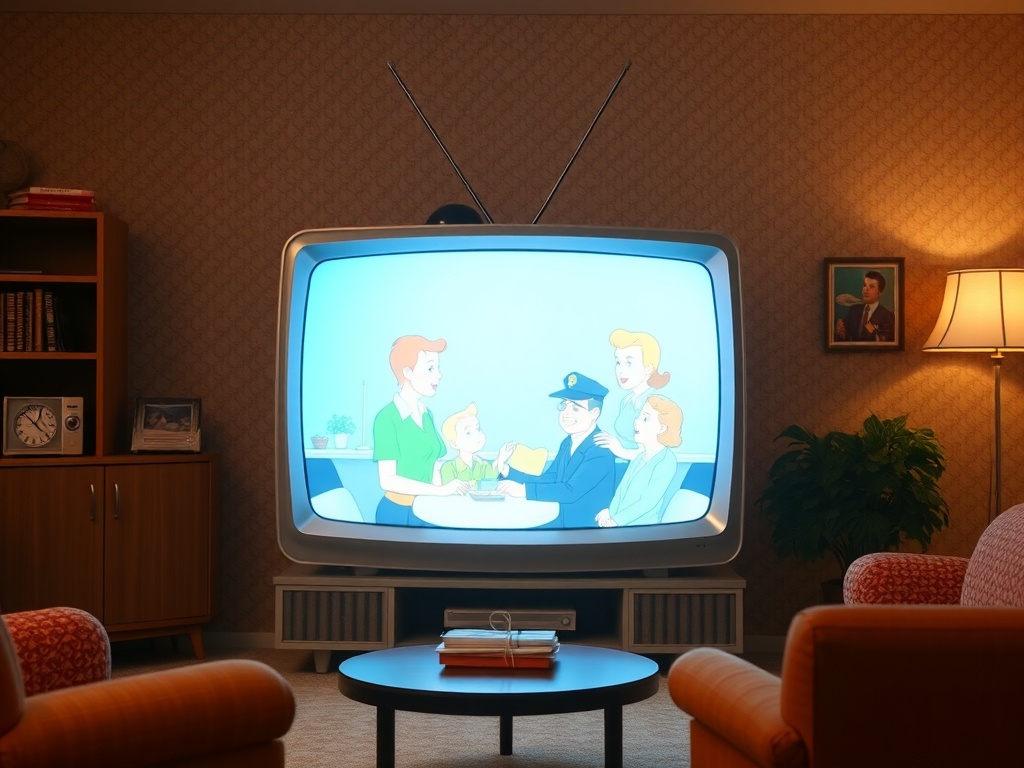
The rise of television in the 1950s brought about another transformation. For the first time, families could enjoy cinematic experiences from the comfort of their living rooms. Television quickly became an integral part of daily life, offering everything from news and sitcoms to soap operas and miniseries. Over time, the boundaries between film and television began to blur, with many filmmakers crossing over into television and vice versa.
The modern era of film and television is dominated by digital technology and the rise of streaming platforms. Today, films and TV shows can be watched on-demand, anywhere, anytime. Platforms like Netflix, Amazon Prime, and Hulu have redefined how we consume content, and with the rise of original programming, they have become major players in the entertainment industry.
As we look forward, the future of film and television is incredibly exciting. With virtual reality (VR), artificial intelligence (AI), and other technological advancements shaping the way stories are told, we can only imagine the possibilities that await. These innovations promise to transform not just how we watch films and TV shows, but also how we interact with them.

From its humble beginnings to its current state as a global cultural phenomenon, the history of film and television is a testament to the power of storytelling and innovation. Whether on the big screen or through the convenience of our personal devices, film and TV continue to influence how we understand the world, sparking conversations, inspiring change, and shaping our collective memory.