
Top 10 Iconic Films That Shaped Our Culture & History

Introduction
The world of cinema has always been a reflection of the cultural and historical moments of its time. Some films have transcended entertainment, becoming cultural landmarks that influence everything from fashion to social movements. In this article, we explore the top 10 films that not only entertained audiences but shaped the cultural and historical landscape for generations.
1. Citizen Kane (1941)
Often regarded as the greatest film ever made, Orson Welles' *Citizen Kane* revolutionized the art of storytelling. With its innovative use of deep focus cinematography and non-linear narrative structure, this film set the stage for modern cinema. It also sparked conversations about power, corruption, and the American Dream, making it an essential piece of cultural history.

2. Casablanca (1942)
Set during World War II, *Casablanca* is not just a love story but a narrative that reflects the moral complexity of wartime politics. The film's portrayal of sacrifice, patriotism, and love amidst the chaos of war continues to resonate with audiences worldwide. It remains one of the most iconic films in history, influencing everything from dialogue to the portrayal of heroes in cinema.

3. Schindler's List (1993)
Steven Spielberg's *Schindler's List* is a stark and haunting portrayal of the Holocaust. The film not only serves as a reminder of the atrocities committed during World War II but also showcases the potential for human compassion even in the darkest of times. Its impact on global awareness of the Holocaust and its legacy in education is unparalleled.

4. The Godfather (1972)
Francis Ford Coppola’s *The Godfather* is more than just a crime film; it’s a rich exploration of power, loyalty, and family. With its memorable characters and themes of corruption and vengeance, it became a blueprint for future gangster films. Its influence extends beyond cinema, shaping American culture and influencing how we view organized crime.

5. Pulp Fiction (1994)
Quentin Tarantino’s *Pulp Fiction* redefined the indie film movement and brought nonlinear storytelling to mainstream cinema. The film's blend of pop culture references, sharp dialogue, and unforgettable characters made it a cultural touchstone of the '90s. Its impact on filmmaking and narrative structure can be seen in countless films and TV shows that followed.

6. Star Wars (1977)
George Lucas' *Star Wars* became more than just a film; it became a global phenomenon. It set the stage for modern science fiction films, introducing groundbreaking special effects and a mythic narrative structure. Its cultural impact has been profound, influencing everything from pop culture to politics, and it continues to shape how we tell stories today.

7. 12 Angry Men (1957)
Sidney Lumet's *12 Angry Men* is a masterclass in dialogue-driven cinema. A tense courtroom drama that examines prejudice, justice, and the American legal system, the film’s influence extends beyond cinema into discussions about societal values and moral responsibility.

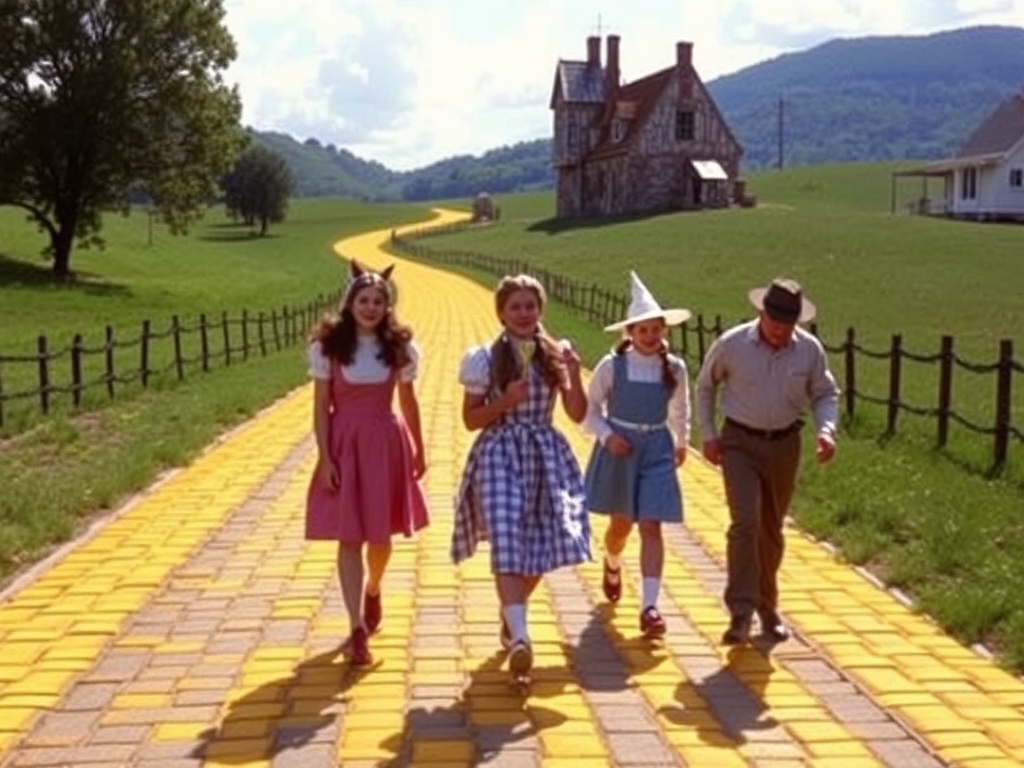
8. The Wizard of Oz (1939)
One of the most beloved films of all time, *The Wizard of Oz* is not only a fantastical journey but a reflection of American culture during the Great Depression. Its themes of hope, courage, and self-discovery resonate with audiences of all ages, making it an integral part of global cinematic history.
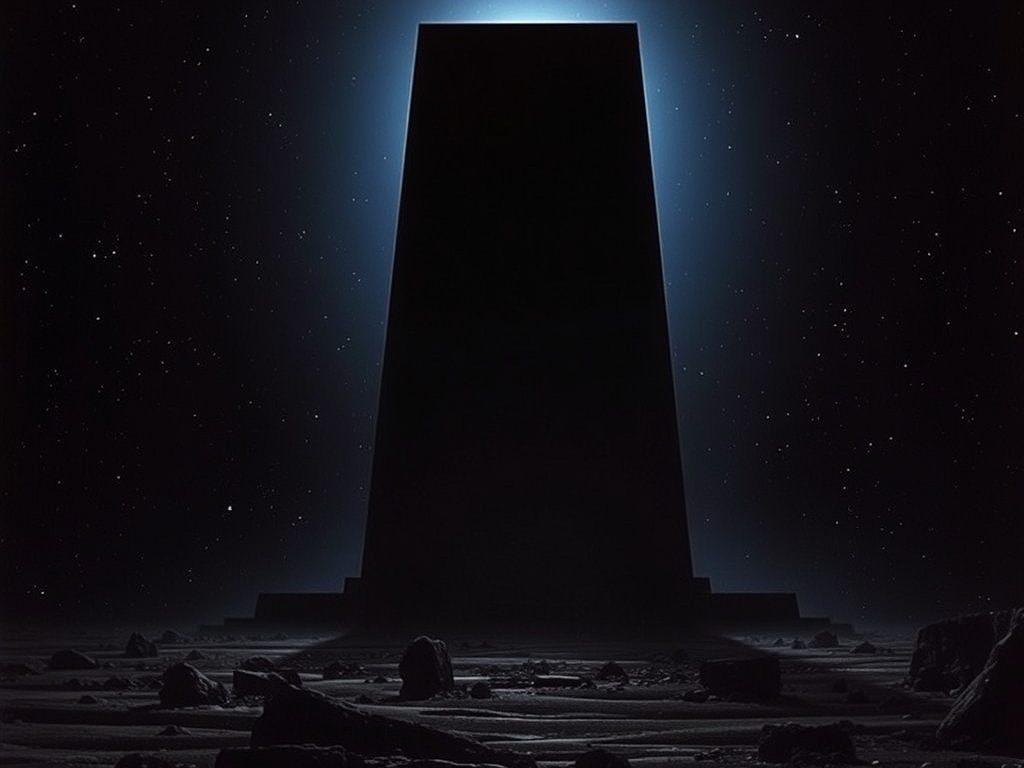
9. 2001: A Space Odyssey (1968)
Stanley Kubrick’s *2001: A Space Odyssey* redefined the sci-fi genre with its groundbreaking visuals, deep philosophical themes, and groundbreaking use of music and sound. It’s a film that continues to influence filmmakers and thinkers alike, posing questions about humanity’s place in the universe.
10. The Matrix (1999)
The Wachowskis' *The Matrix* pushed the boundaries of what was possible in terms of special effects and action sequences. It also explored philosophical themes such as reality, free will, and human consciousness. Its influence on both film and technology is still felt today, especially in the development of virtual reality and digital storytelling.

Conclusion
These 10 films represent more than just great cinema; they are touchstones of culture and history that continue to shape how we understand the world around us. From the exploration of power and justice to the redefinition of entire genres, these films have left an indelible mark on both Hollywood and global society.